
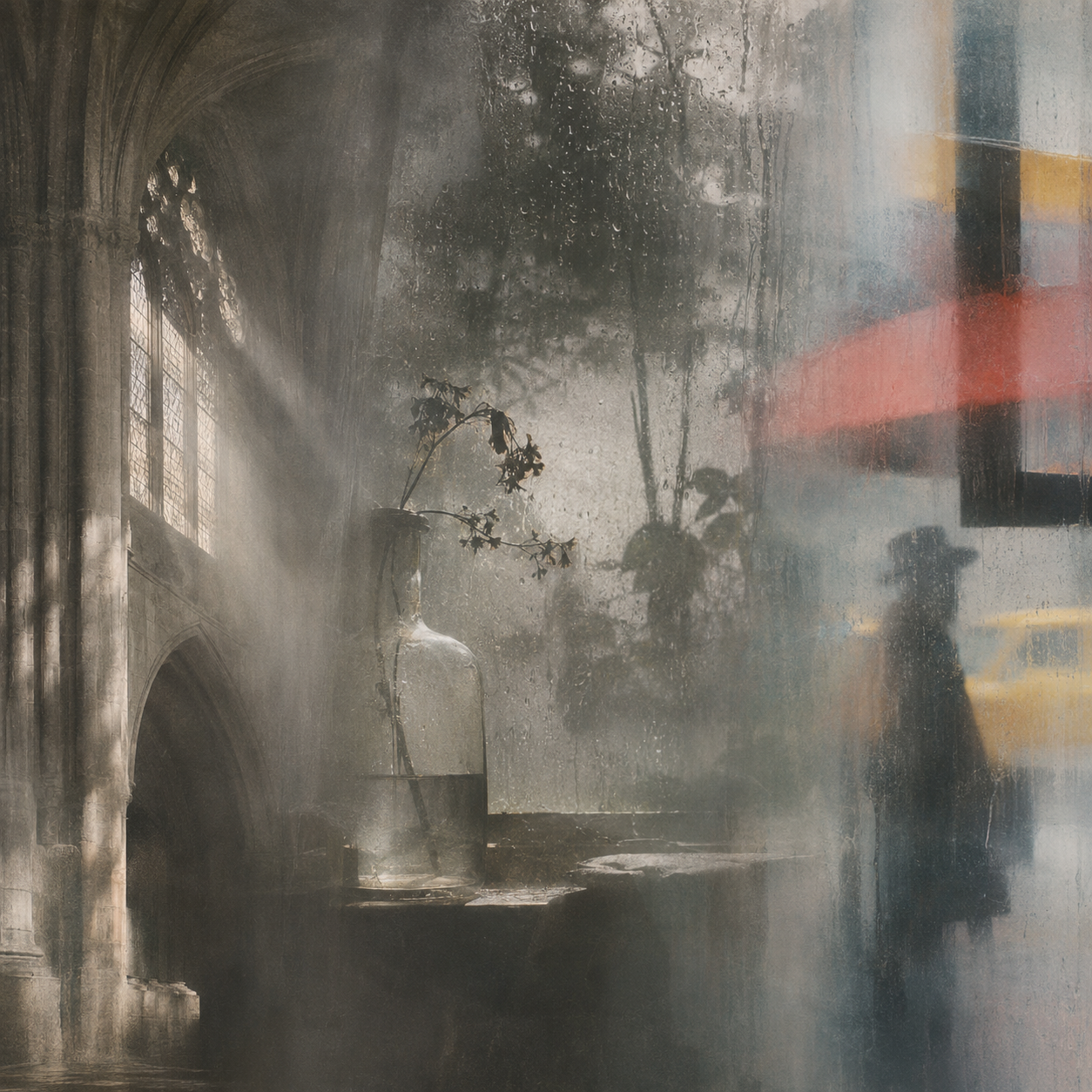
I like this trio. In fact, I think these three photographers give you the beginnings of a coherent photographic philosophy.
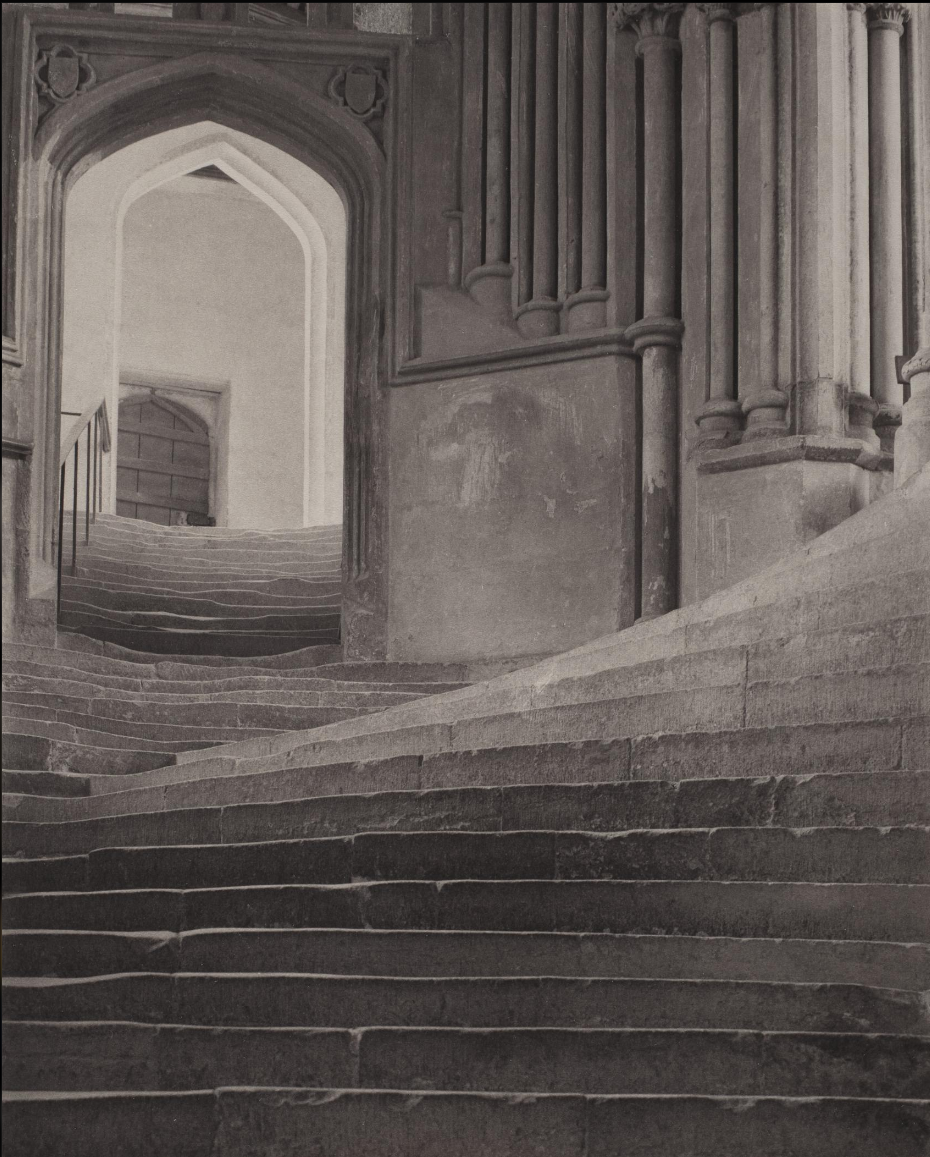
1. Frederick H. Evans
Architecture as memory and transcendence.
Light, sacred spaces, architectural detail, verticality and historical consciousness.
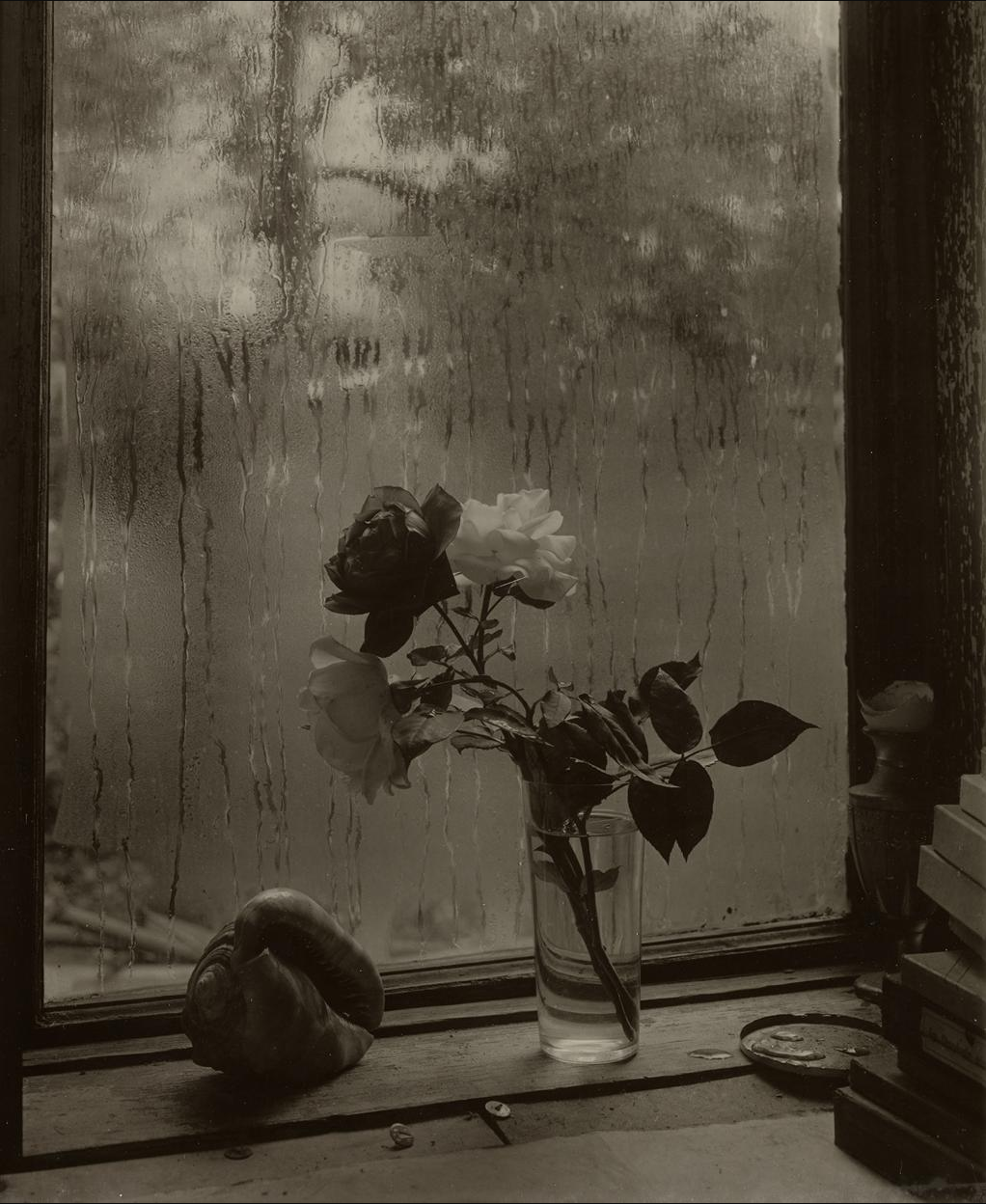
2. Josef Sudek
Layering as a means of constructing meaning.
Multiple planes, reflections, objects, atmosphere, spatial ambiguity and visual poetry.
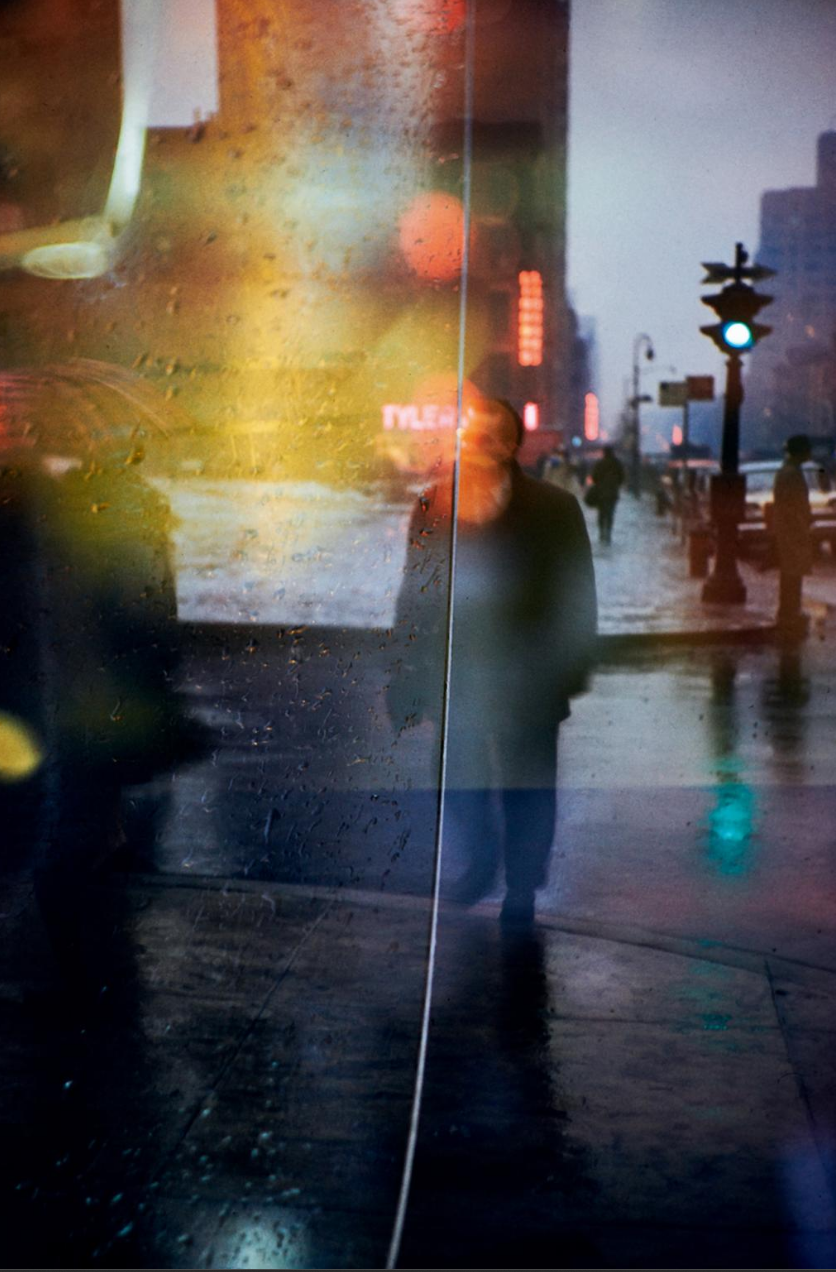
Saul Leiter’s Ravishing Color Photographs of New York
3. Saul Leiter
Everyday life as a visual palimpsest.
Colour, abstraction, reflections, fragments, obstructions and unexpected relationships.
What connects them?
I would describe the common ground as poetic photography through visual construction.
| Photographer | What you could learn |
|---|---|
| Evans | How to photograph architectural history |
| Sudek | How to construct meaning through layers |
| Leiter | How to compose through fragments and juxtaposition |
Notice something else: all three challenge the idea that a photograph should offer an immediately legible, unobstructed view of its subject.
They invite the viewer to look, interpret and discover.
A possible direction for your photography
I’d provisionally call it poetic documentary photography — although I wouldn’t rush to attach a label.
Your Kochi photographic book could become an interesting meeting point for these influences:
- Evans: the churches and their architectural histories.
- Sudek: interiors, windows, objects and the layering of historical memory.
- Leiter: fragments of contemporary life, reflections, colour and visual coincidences.
And your Yashica Mat 124G gives you a consistent 6×6 format in which to develop this visual vocabulary.
One suggestion: don’t acquire another camera for a while. Spend the next six months learning what these three photographers can teach you through the camera you already own.
I think there is a much more interesting photographic journey here than collecting camera bodies and lenses.